Barnes Storage Recycling and Sustainability
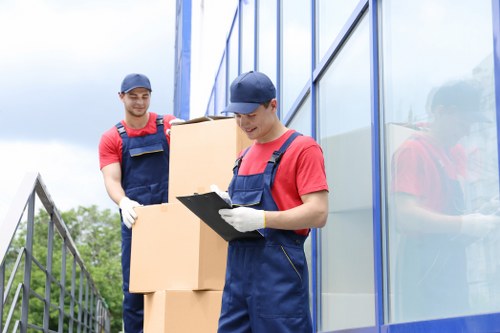 At Barnes Storage, sustainability is not treated as a side note; it is part of how we plan, operate, and move goods every day. Our approach to storage recycling focuses on reducing waste at source, reusing materials wherever possible, and making sure items leaving our facilities are handled responsibly. We have set a clear recycling percentage target of 90% for operational waste diverted from landfill, helping us measure progress and stay accountable across all sites.
That ambition shapes the way we manage packing materials, office waste, and customer disposals linked to storage moves. Cardboard, plastic wrap, pallets, and metal fixtures are separated for the most suitable recycling route, while reusable materials are returned to circulation. In areas where boroughs operate strict waste separation systems, we align our own sorting methods with local expectations so that cardboard, mixed plastics, paper, and general waste are kept distinct from the start.
Our recycling in Barnes Storage programme also reflects the practical realities of local waste infrastructure. Many boroughs near Barnes encourage residents and businesses to separate dry mixed recycling from food waste and residual rubbish, and we support that culture by training teams to sort carefully before collection.  Where appropriate, we also divert wooden crates, old shelving components, and packaging offcuts into reuse streams rather than sending them for disposal. This helps reduce contamination and improves recovery rates across the board.
Working with Local Transfer Stations
To support efficient and responsible waste handling, Barnes Storage uses selected local transfer stations that can process separated materials quickly and route them to the right downstream recyclers. These facilities are important links in the chain because they allow our waste to be weighed, checked, and consolidated before further processing. By working with nearby transfer stations, we cut down on unnecessary travel and keep materials within a more manageable local network.
 This local approach is especially useful for bulky items associated with storage and removals, such as broken furniture, damaged packaging, and end-of-life office items. Rather than treating these as ordinary rubbish, we direct them through transfer stations that can identify recoverable wood, metals, hard plastics, and cardboard. In practice, this means our storage sustainability efforts are tied to the same systems that local boroughs use to improve recycling performance and reduce landfill dependency.
We also prefer facilities that can report back on material outcomes, giving us a clearer picture of how much is recycled, reused, or recovered. That transparency supports our 90% target and helps us refine our processes. It also means our team can make better decisions about which items should be repaired, reused, or sent to specialist recycling partners, especially where local separation rules require certain waste streams to be kept uncontaminated.
Partnerships with Charities and Reuse Organisations
Another important part of our Barnes Storage sustainability strategy is forming partnerships with charities and reuse organisations. Many items that no longer fit one customer’s needs can still be valuable for another household, community project, or charitable cause. We work to identify suitable goods for donation, including desks, chairs, shelving, books, household items, and office accessories, provided they meet reuse standards.
These partnerships extend the life of products and reduce the volume of waste entering the disposal system.  Instead of sending everything to recycling, we first consider whether an item can be cleaned, repaired, or passed on. This reuse-first mindset sits alongside our recycling goals and helps support a more circular economy. It is particularly relevant in urban areas, where borough-level waste separation rules already encourage residents to think carefully about what can be recycled, repaired, or reused.
We also value the social benefit of charity partnerships. Items collected from storage clearances or relocations can support local community groups and hardship relief efforts, turning surplus stock into practical help. In this way, Barnes Storage recycling is not only about waste reduction; it is about creating positive outcomes for people and places while keeping useful materials in circulation for longer.
Low-Carbon Vans and Greener Transport
 Transport is another area where we are lowering environmental impact. Our fleet increasingly includes low-carbon vans, selected for better fuel efficiency and reduced emissions compared with older vehicles. By using modern vans with cleaner engines and improved route planning, we reduce the carbon footprint associated with collections, deliveries, and storage-related transport.
Low-carbon vehicles are only one part of the picture. We also group jobs efficiently, avoid unnecessary repeat journeys, and plan routes to minimise idle time in traffic. This is especially helpful in and around boroughs where local waste and transport management are closely connected. Shorter, smarter journeys mean lower emissions, less congestion, and a more efficient service overall.
Our commitment to greener transport complements the broader Barnes Storage recycling programme by ensuring that sustainability is considered from warehouse floor to road. As we continue improving, we will keep investing in better vehicle technology, smarter waste sorting, and stronger reuse partnerships. Together, these steps help Barnes Storage move toward a cleaner, lower-waste future while supporting responsible local recycling habits.